IRIS LASER DEPIGMENTATION
Laser Eye Color Change with Iris Laser Depigmentation
Understanding laser iris depigmentation and changes in the appearance of natural eye color
An in-person examination and risk discussion come first. Consultation does not imply that surgery is suitable or available.
Iris laser depigmentation aims to reduce some of the pigment already present in the iris. Eye health, iris structure and individual circumstances require specialist assessment before any decision.
How does iris laser depigmentation work?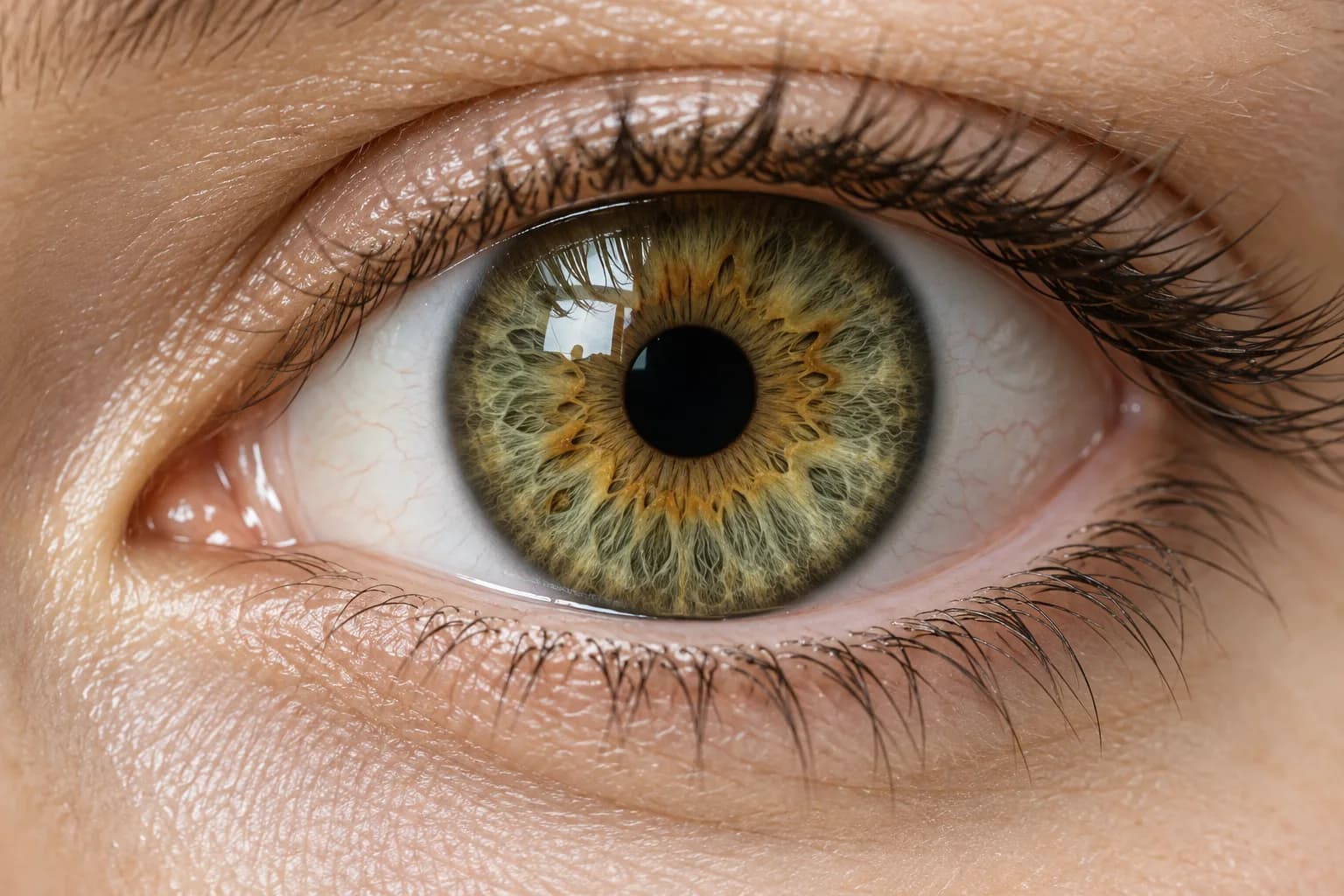
Eye color is more than a shade. It reflects pigment, iris structure and the way light interacts with them.
The iris is the colored structure around the pupil; the cornea is the transparent layer in front. Corneal pigmentation is different from reducing iris pigment.
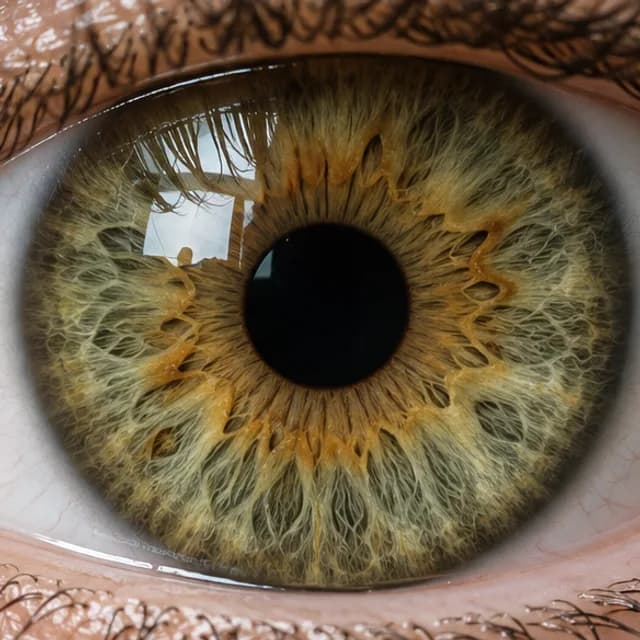
What is iris laser depigmentation?
No artificial color is added to the iris; the visible change results from reducing part of the existing iris pigmentation.
How does laser eye color change work?
A conceptual explanation, not a treatment protocol or a description of clinic equipment. Explaining the mechanism does not establish safety.
The iris contains existing pigment.
Laser treatment targets some of that pigment.
Reducing pigment aims to change the visible appearance.
A precise final shade cannot be freely selected from a chart.
Assessment and follow-up remain essential.
Features and limitations
Technical features do not replace a risk assessment. Eye health and the limits of evidence belong in the same discussion.[1]
- No artificial iris pigment or colored intraocular implant is added.
- The method targets existing pigment; a precise final color cannot be promised.
- Individual outcomes differ; an in-person examination comes before a decision.
- Available evidence does not comprehensively establish long-term safety.
Who can be considered for assessment?
Suitability requires an in-person eye examination. Active infection or inflammation, some corneal diseases, uncontrolled eye pressure and previous surgery may rule out intervention or require further assessment. This is not a complete eligibility checklist.
- Vision, ocular surface and cornea
- Eye pressure and medical or surgical history
- Expectations, alternatives and the option not to proceed
What influences the appearance after depigmentation?
Starting pigment, its distribution, iris structure and lighting influence appearance. An online image cannot predict an individual result. A particular green or blue shade cannot be assumed; an examination does not guarantee a color.
- This page shows no patient results or before-and-after comparisons. Such photographs require verification and patient consent and cannot predict your result.
Safety and risks to discuss before laser eye color change
Severe pigmentary glaucoma and lasting visual damage have been reported after cosmetic iris laser treatment. A case report does not establish how often complications occur.[1][2]
- Pigment dispersion, inflammation and light sensitivity are concerns; plan follow-up with the doctor.
- Severe pain, reduced vision or increasing redness after an eye intervention requires urgent assessment.
- The AAO's January 2024 warning addresses cosmetic implants and keratopigmentation; it is not an endorsement of laser depigmentation. This page makes no claim of current FDA or Iranian approval for cosmetic laser eye color change.
Visual Simulation
Illustrative iris color gallery
Select an image to explore its details.
These are not surgical outcome options.
Swipe through the gallery to explore the colors.
Selected illustration in detail
These generated images illustrate differences in appearance only. They are not real patients or treatment before-and-after photographs. These shades are not a catalogue of achievable laser outcomes; selecting an image does not select or predict your final eye color.
These generated images illustrate differences in appearance only. They are not real patients or treatment before-and-after photographs. These shades are not a catalogue of achievable laser outcomes; selecting an image does not select or predict your final eye color.
Visual Simulation
Illustrative comparison of two colors
These generated images illustrate differences in appearance only. They are not real patients or treatment before-and-after photographs. These shades are not a catalogue of achievable laser outcomes; selecting an image does not select or predict your final eye color.
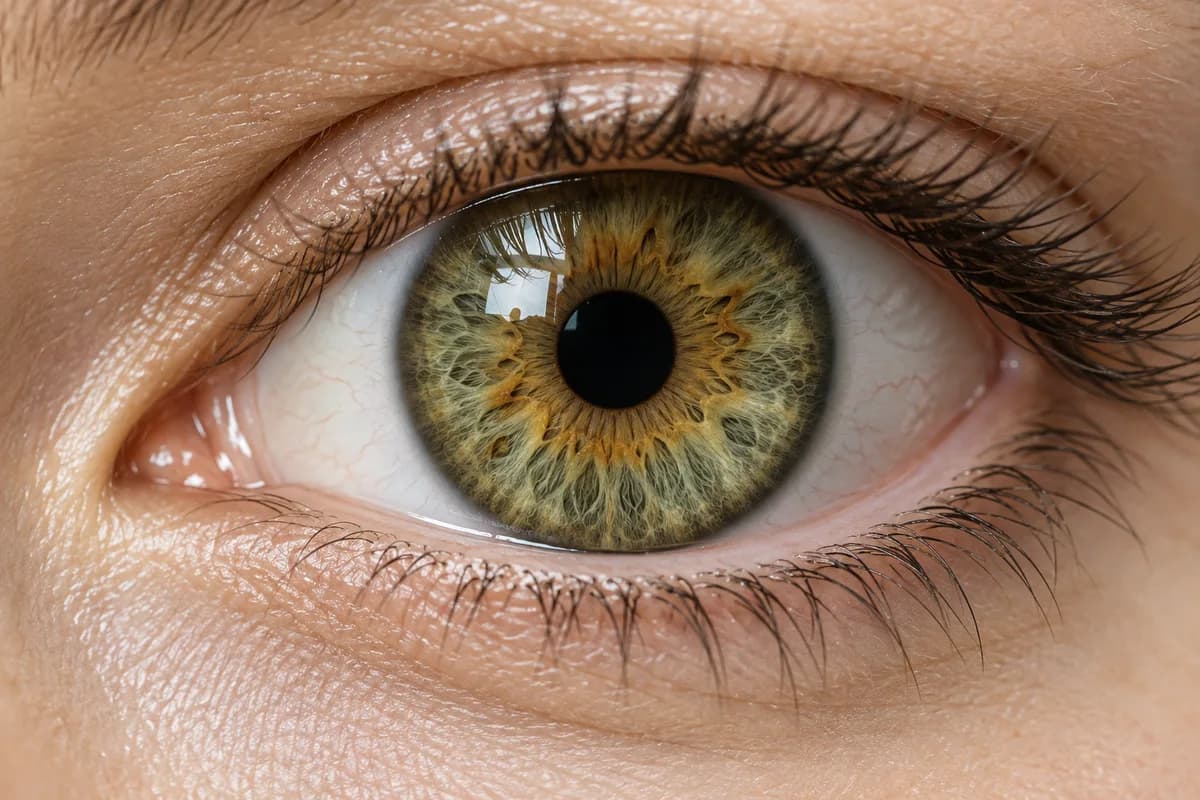
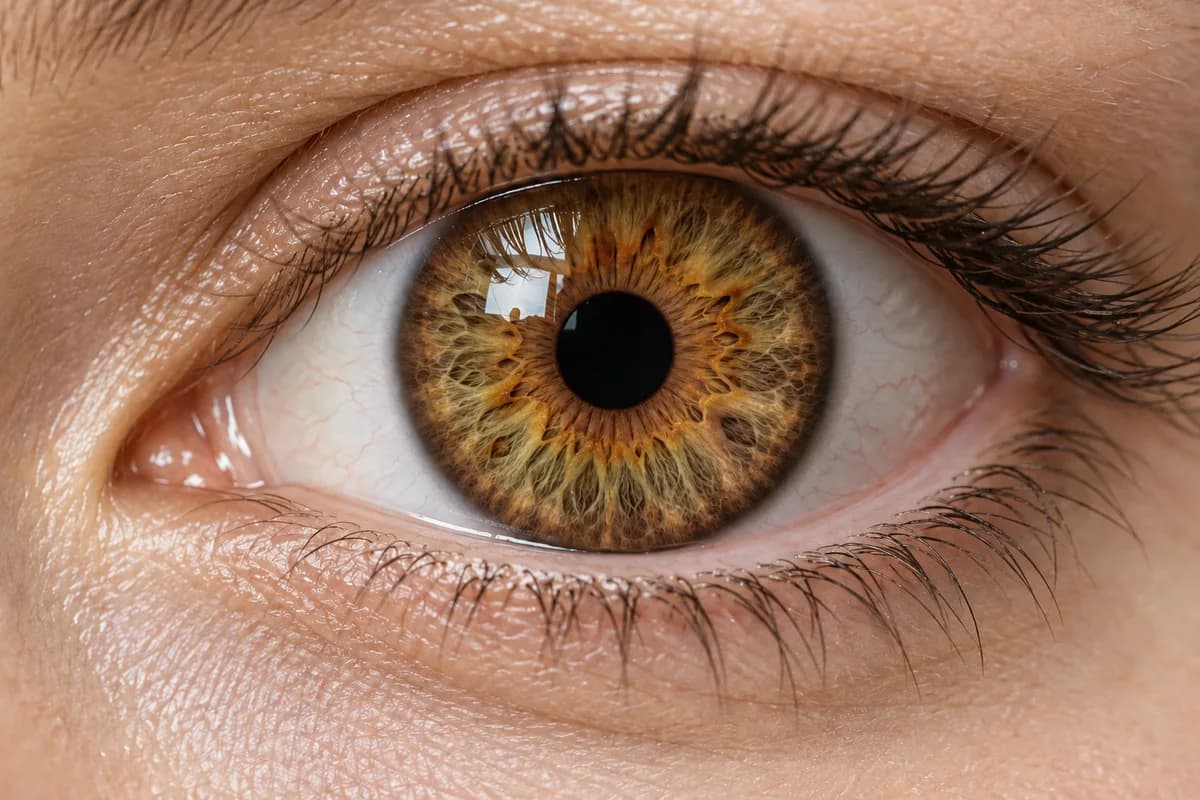
How lasting is laser eye color change?
A long-term intention does not guarantee color stability or reversibility. Do not assume an easy return to the original appearance. Ask about long-term evidence; short-term appearance is not enough to assess eye health.[1]
Assessment, decision and follow-up
An examination does not commit you to treatment. Any plan depends on an individual assessment.
Discuss your history and questions
In-person eye health assessment
Review risks, alternatives and informed consent
Intervention only if appropriate; declining remains an option
Agree on aftercare and follow-up
Eye color change cost
No verified price for this service is published on the website. After examination, discuss assessment, any proposed intervention and follow-up costs. Ask the clinic directly about availability; requesting a consultation does not confirm that a procedure is offered.
How does laser depigmentation compare with other methods?
| Eye Color Change | Iris laser depigmentation | Keratopigmentation | Cosmetic iris implant |
|---|---|---|---|
| Mechanism | Reduces iris pigment | Pigment in the cornea | Colored device inside the eye |
| Artificial pigment | Not added to the iris | Added to the cornea | Color comes from the implant |
| Implant | No colored implant | No iris implant | Placed inside the eye |
| Color choice | No free choice of a precise shade | Discuss pigment options and limitations | Device color does not establish suitability |
| Nature of change | Alters iris pigment | Covers the appearance through the cornea | Covers the natural iris |
| Eligibility | Individual examination | Individual examination | Cosmetic use differs from iris reconstruction |
| Risks and limitations | Pigment dispersion, glaucoma, light sensitivity; evidence limitations | Corneal damage, inflammation, infection and color changes | Glaucoma, corneal damage, cataract and vision loss |
| Follow-up | An individual plan is needed | An individual plan is needed | An individual plan is needed |
How should you choose an eye color change doctor?
Look for verifiable qualifications, a thorough examination and a clear explanation of limitations. Advertising or a color gallery does not establish suitability.
- Ask about qualifications and relevant experience.
- Expect balanced discussion of risks and alternatives.
- Clarify follow-up and access to care if a problem occurs.

Dr. Farshid Porkar and specialist eye assessment
Fellowship-trained Cornea and Anterior Segment Surgeon
MD from Tabriz University of Medical Sciences and ophthalmology residency at Tehran University of Medical Sciences.
Cornea and anterior segment fellowship at Tehran University of Medical Sciences, and university faculty member.
Anterior segment fellowship at Bascom Palmer Eye Institute, University of Miami Miller School of Medicine, Miami, Florida, USA.
The qualifications below come from the existing physician profile; they do not establish availability or endorsement of this cosmetic procedure.
View the Doctor's ProfileFrequently asked questions
It aims to reduce some existing iris pigment. Artificial color is not added to the iris.
Different methods act on different eye structures. Laser targets iris pigment; corneal pigmentation and implants use different mechanisms.
Laser treatment aims to reduce iris pigment. This explains the mechanism, not its safety.
Depigmentation does not add artificial iris pigment. That difference alone does not establish a safety advantage.
Lightening the appearance is the intended effect. An individual result cannot be promised from the starting color.
A particular green or blue shade cannot be promised. Laser does not offer a free choice of any catalogue color.
This page cannot predict your final color. Iris characteristics and lighting affect appearance; an examination does not guarantee a shade.
No; another person's image cannot predict your result. Individual circumstances and procedural limitations need assessment.
Do not assume permanent stability or easy reversal. Ask about durability and the limits of evidence before deciding.
No verified clinic session schedule is available here. Ask about a plan based on your assessment; another person's schedule is not yours.
An individual timeline cannot be given here. Discuss justified expectations during examination using evidence for the proposed procedure.
A painless experience cannot be promised. Ask about anesthesia and discomfort; severe or increasing pain needs prompt assessment.
No verified fixed recovery schedule is provided here. Discuss return to work, exercise and driving according to vision and healing.
Published reports describe pigmentary glaucoma and visual damage after cosmetic laser treatment. A case report does not determine the risk for every patient.
Severe pressure elevation has been reported after iris laser treatment. Ask about pigment dispersion and the follow-up plan.
Active inflammation or infection, some corneal conditions, uncontrolled pressure or previous surgery may affect suitability. The decision requires an in-person examination.
Depigmentation reduces iris pigment; keratopigmentation adds pigment to the cornea. Each method requires its own risk discussion.
An implant places a colored device inside the eye. Depigmentation does not insert such a device, but that does not establish safety.
No verified fixed price is published. After examination, ask the clinic about availability, assessment costs and follow-up.
Check qualifications and expect a thorough examination and balanced risk discussion. Do not decide on promised colors or advertising alone.
Yes; suitability requires an in-person examination. Reading a guide or viewing a simulation cannot replace it.
Scientific sources
- Liu et al., 2023: pigmentary glaucoma following cosmetic iris laser treatment
- American Academy of Ophthalmology, January 2024: cosmetic implants and keratopigmentation
Patient information draft: physician medical review has not been recorded. This guide does not replace an examination.
Eye color change starts with an informed decision.
If you have questions about iris laser depigmentation and your eye health, begin with a specialist examination and assessment.